

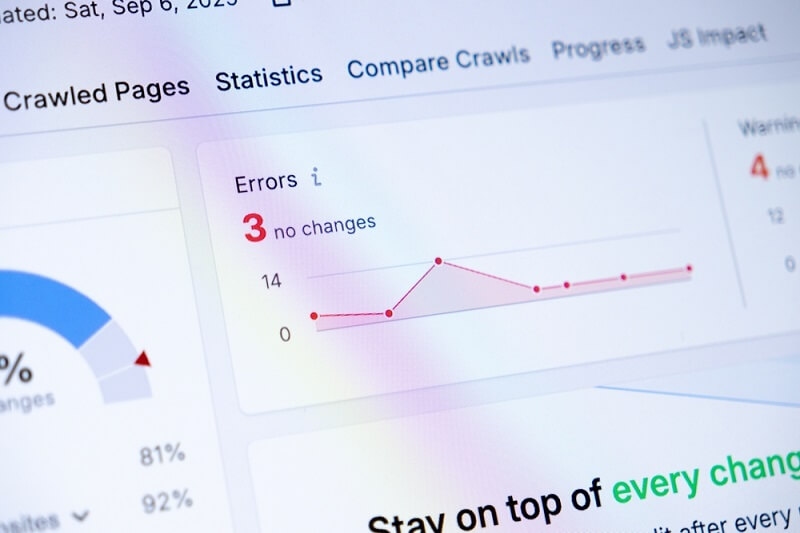
Website crawling is one of those things people often hear about, yet few really pause to understand what's happening behind the scenes. Here's the thing. Before any page shows up in search results, it must be noticed, checked, and understood. That job belongs to website crawling, search engine crawling, and the systems that support website indexing basics. Without them, even strong content stays unseen, which feels frustrating and confusing.
In the early stages of online visibility, SEO crawling plays a quiet but serious role. It decides what gets visited, how often, and in what order. What this really means is simple. If a site cannot be adequately crawled, it cannot compete fairly in search.
Website crawling is the process by which automated bots visit pages across the internet to read content and follow links. These bots are often called crawlers or spiders, though they do not look scary at all. They move from page to page, gathering signals about structure, text, and links.
Search engine crawling works by following paths created through internal links, external links, and sitemaps. Pages without clear paths may exist, but crawlers may miss them entirely. That small detail matters more than many expect.
Here's a simple way to picture it
Understanding website crawling at this level helps remove confusion and fear around indexing problems.
Crawlers might seem complicated, but at their core, they can be simple like people. To get their information, the crawler begins by following links to other pages. It looks at the pages that are visited to determine which rules apply, whether they're relevant to your site, and what their structure is.
Let's break it down slowly.
Search engine crawling respects boundaries. Pages blocked by instructions may not be crawled, even if valuable. That's why SEO crawling requires careful planning, not guesswork.
How crawlers work also depends on trust. Pages that are updated often and appropriately linked are visited more often. Poor signals may reduce crawl frequency over time.
Website indexing basics describe what happens after crawling. Crawling collects data, and indexing organizes it. Without indexing, crawling alone means very little.
Once crawled, pages are evaluated for relevance and quality. Content that meets guidelines may enter an index, where it becomes eligible to appear in results. Pages with issues may still exist, but stay invisible.
Website indexing basics focus on
SEO crawling and indexing work together, not separately. A crawl without indexing is like reading notes and then throwing them away, which helps no one.

Crawl budget refers to the number of pages a crawler visits on a site within a given period. This limit exists to protect servers and ensure fairness across the web. The crawl budget is not a punishment; it's a system.
Here's what affects crawl budget
Large sites feel crawl budget pressure more than small ones. Still, even modest websites benefit from respecting crawl budget rules. Efficient SEO crawling ensures that important pages receive priority.
Ignoring crawl budget may cause outdated or low-value pages to be crawled instead of key ones. That small mistake often goes unnoticed for months.
SEO crawling helps search engines understand what a site offers. Without proper crawling, even well-written pages remain hidden. That's the harsh truth.
When seo crawling works well
Search engine crawling does not judge opinions or style. It looks for clarity, structure, and purpose. Pages that confuse users often confuse crawlers as well, leading to missed opportunities.
SEO crawling also supports trust. Sites that behave predictably earn more frequent visits over time.
Website crawling problems happen quietly. Traffic drops may appear sudden, but the cause usually builds slowly.
Some common issues include
Search engine crawling reacts to patterns. Repeated errors may reduce crawling frequency. That hurts visibility without warning.
Fixing website crawling issues often starts with simple checks. Straightforward navigation and clean links still matter greatly, even now.
Search engine crawling does not read as a human does. It scans structure, headings, and text signals. Pages with scattered ideas may confuse crawlers, even if humans understand them.
To support search engine crawling
How crawlers work relies on consistency. Sudden layout changes or unclear updates may slow indexing. Calm, steady improvements perform better over time.
Improving website crawling does not require tricks or shortcuts. It needs patience and clarity.
Helpful actions include
Website indexing basics remind site owners that quality beats quantity. A smaller set of strong pages often performs better than many weak ones.
SEO crawling thrives on structure. Clear intent helps both crawlers and users feel confident.
Imagine a blog with hundreds of old posts and a few updated ones. The crawl budget may be wasted on outdated content. New posts wait longer to be seen.
By cleaning old pages and improving internal links, the crawl budget focuses on current value. Search engine crawling becomes more efficient, and visibility improves slowly but steadily.
This approach respects how crawlers work without forcing results.
Website crawling connects closely with trust. Pages that show care, accuracy, and purpose tend to earn better crawl behavior.
Trust signals include
Following website indexing basics helps maintain long-term stability. Short-term hacks often damage trust, even if the results look fine for a while.
The way a site is crawled will determine how visible and trustworthy its content is online. By learning the basics of crawling (search engine crawling, crawl budgets, and website indexing), your site's visibility will increase organically over time. A well-structured site with an honest purpose that receives consistent attention will help SEO crawl well, too. A little bit of work on things early will keep significant issues to a minimum later on.
Website crawling is when bots visit pages to read content and follow links so search engines know what exists.
Crawl budget usually matters less for small sites, but a clean structure still improves search engine crawling efficiency.
SEO crawling helps new pages get noticed faster, allowing them to be indexed sooner.
Yes, blocking important pages can prevent crawling and indexing, reducing visibility without clear warnings.
This content was created by AI