

Search rankings don’t rise or fall on one magic trick. They move because of dozens of small signals working together, quietly shaping how search engines read your pages and how humans respond to them. Meta tags, titles, and descriptions sit right in the middle of that conversation. They do not shout, but they whisper. And sometimes, whispers travel farther than noise.
This guide breaks down how meta tags work, how titles and descriptions influence ranking and clicks, and why small wording choices can change traffic without touching your content body. You will see how HTML meta tags connect with human curiosity, how seo metadata affects visibility, and where most sites quietly lose ground without realizing it.
Meta tags form the invisible layer of communication between your page and search engines. They are not flashy, but they set expectations before a single word of content is read.
You might hear people say meta tags are old news. That is only half true. Keyword stuffing is gone, sure. But structure, clarity, and relevance still count.
Meta tag basics are about signaling intent. A page without clear metadata is like a book with no cover. The story may be great, but nobody picks it up.
Search engines use meta tags to:
You know what? Humans do the same thing. We scan titles and snippets before committing time.
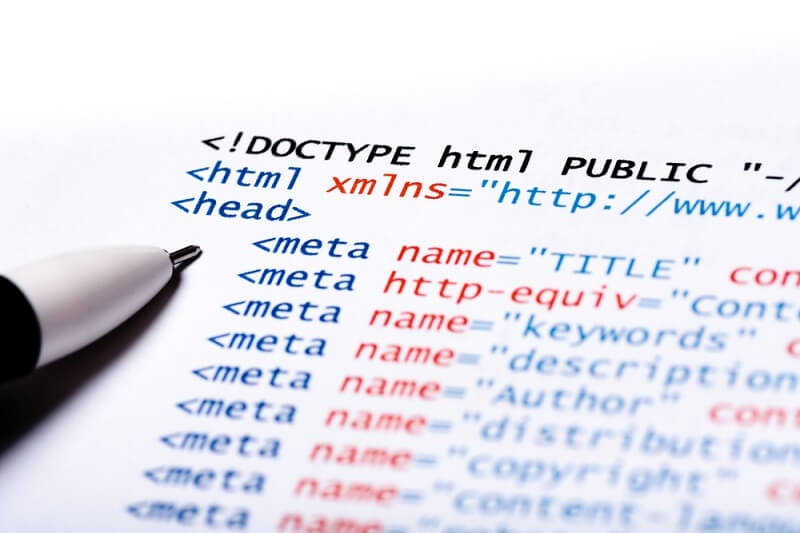
HTML meta tags live in the head of your page, quietly doing their job. Title tags, meta descriptions, viewport tags, and robots directives all send instructions.
Google does not blindly follow them, but it reads them carefully. Think of metadata as a suggestion written in clear handwriting. If it matches the page content, it gets respected. If it lies, it gets ignored.
This is where trust forms. And once broken, it is hard to rebuild.
Ranking is not just about algorithms. It is about how algorithms model human behavior. Meta tags sit at that crossroads.
Seo metadata affects what users see before they click. That matters more than many people admit. If your title promises clarity and your description feels relevant, users click. When users click and stay, search engines notice.
This does not mean metadata directly boosts ranking. It nudges behavior. Behavior nudges ranking. Subtle, but powerful. Honestly, this is why two similar pages can rank differently with nearly identical content.
Clever titles feel fun. Relevant titles feel safe. Search engines lean toward safety. A title that clearly matches search intent builds consistency. Over time, consistency builds authority. Authority builds stability in rankings.
It sounds boring. It works anyway.
Titles carry more weight than descriptions. They are the headline, the handshake, the first glance.
Meta title optimization is not about cramming keywords. It is about clarity with rhythm.
A strong title usually:
Think of your title like a highway sign. It should not be poetic. It should be unmistakable.
Even professional searches involve emotion. Curiosity. Relief. Confidence. Titles that hint at answers, reassurance, or simplicity often outperform generic ones. Not hype. Just comfort.
For example, titles that imply explanation or clarity tend to attract readers who feel overwhelmed. That emotional match increases clicks. And yes, Google notices clicks.
Meta descriptions do not directly affect ranking, but they influence something just as valuable: attention.
Meta description tips often focus on length, but tone matters more. A good description feels like a calm voice saying, " This page is for you.
Try to:
Descriptions that sound robotic get skipped. Ones that sound human get read.
Google sometimes rewrites descriptions. That does not mean yours failed. It usually means your page content offers a better snippet for a specific query. That is not a penalty. It is an adaptation.
Still, writing strong descriptions gives Google something solid to work with. When your description matches the query, it often stays.
Theory is nice. Reality is messier.
Tools like Google Search Console, Screaming Frog, and Ahrefs scan seo metadata for patterns. They flag duplicates, length issues, and missing tags. Use them, but do not obey blindly.
A warning is not a verdict. Sometimes repetition is intentional. Sometimes, longer titles read better. Let tools inform judgment, not replace it.
Search behavior changes with seasons. Tax season. Summer travel. Holiday shopping. Refreshing metadata to match seasonal language can lift clicks without touching content. A small tweak, big ripple.
This is one of those quiet tactics that experienced SEOs use without talking about it much.
Mistakes happen. The good news? Most are easy to fix.
Repeating the same phrase across the title, description, and headers feels forced. Search engines feel it too. Use variation. Synonyms. Natural phrasing.
Most searches in the US happen on phones. If your title looks awkward on mobile, it loses impact. Preview snippets. Read them out loud. If it sounds clunky, it probably is.
Meta tags sit in a strange place. Not visible on the page, yet visible everywhere else. They are the bridge between content quality and user choice. They translate meaning into invitation.
You can write great content and still struggle if your metadata feels cold or unclear. You can also lift the average content by presenting it better. That tension is where smart SEO lives.
Meta tags are not relics. They are quiet negotiators working on your behalf every time someone searches. When written with care, they align search engine understanding with human curiosity. Meta title optimization shapes first impressions. Meta description tips influence trust. HTML meta tags create structure. Seo metadata ties it all together.
If rankings feel stuck, look here first. Not because meta tags fix everything, but because they often fix the missing link between being seen and being chosen.
Yes. Meta tags help search engines understand pages and influence how users interact with results, which indirectly affects performance.
Only when intent changes or performance drops. Frequent changes without reason can confuse both users and search engines.
Not directly. They affect click behavior, which can influence visibility over time.
They can dilute clarity. Unique metadata helps search engines differentiate pages and improves user trust.
This content was created by AI