

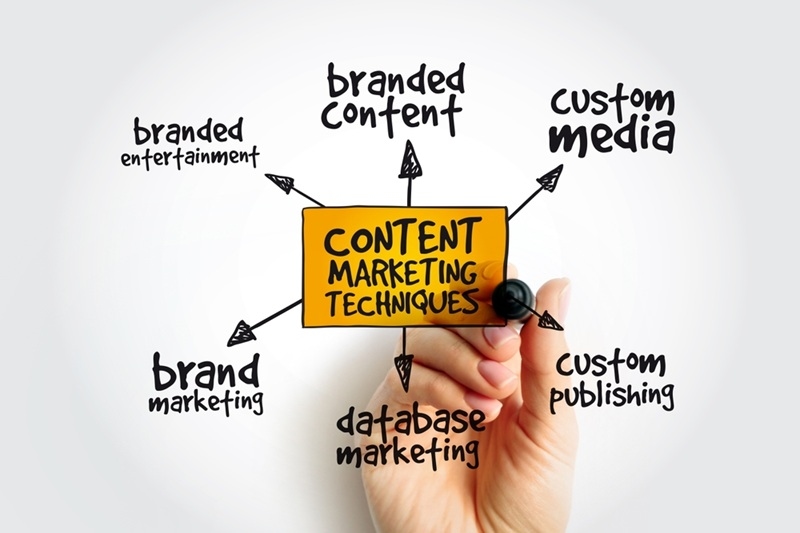
Content marketing strategy sounds fancy, yet the idea stays simple. Here's the thing. People search for answers, and a content marketing strategy helps place helpful answers where they belong. When authority content building, inbound marketing, and evergreen content SEO work together, growth feels natural, not forced. Blog growth strategies depend on trust, timing, and relevance. Content funnels guide readers step by step, without pressure. What this really means is that helpful content earns attention first, and results follow later.
A strong content marketing strategy does not rush people. It listens, responds, and stays consistent.
A content marketing strategy is a plan for creating and sharing content that helps people before selling anything.
Keep your purpose in mind
This is the beginning of building authority through content, creating content that attracts attention without making noise.
Creating a content marketing strategy will only work if every single piece has a purpose.
Inbound marketing pulls clients towards a company as punishment for sending advertisements into the world.
Inbound marketing uses 'helpful' information. Inbound marketing is a method of providing helpful information at an appropriate time.
Here are some essential points:
The strategy behind content marketing supports inbound marketing by helping users get acquainted with the brand and keeping them engaged and relevant!
Authority content building means creating content people trust over time.
Authority content building often includes
Search engines and readers notice when content shows care. Blog growth strategies depend on this trust.
Authority content building does not mean sounding smart. It means being helpful.
Content funnels guide readers from awareness to action without force.
Most content funnels follow steps
Content marketing strategy connects these stages smoothly.
By using content funnels, you help reduce readers' confusion; they will keep looking for information until they find something relevant.
Inbound marketing is more effective when the content funnel feels organic to your target audience.
SEO for evergreen content focuses on creating content that will not become irrelevant over time.
Many types of content can be considered evergreen, such as:
Many bloggers rely on evergreen content for building traffic to their blogs. People who create evergreen content are generally patient; they do not rely on fads.
Blog growth strategies succeed when content serves readers first.
Covering a single central theme builds authority and speeds content creation.
Consistency matters more than frequency. A content marketing strategy benefits from a steady cadence.
Internal links guide content funnels and support the SEO of evergreen content.
Blog growth strategies fail when content feels scattered.
Honesty and transparency create trust.
Using easy-to-understand language will increase the rate at which consumers develop trust in you.
Using examples shows that you have done things before, which adds credibility to the content you develop and helps build its authority.
Trust is more important in inbound marketing than promotion.
Keyword-based searching is less critical than the intent behind the search.
Publishing only the message that a business wants to share will not provide value to its target market.
A blog with the wrong subject will create barriers to blog development and will not provide any value to marketers trying to secure inbound leads through their blogs.
To be successful in a content marketing strategy, clear intent must be established.
Make sure the purpose of your content is to provide value to users, not just to sell them something.
Inviting users to take action, rather than demanding it.
Examples could be:
Using a soft-sell approach in your content marketing strategy is also essential to your success.
Success looks different depending on goals.
Important signals include
Inbound marketing focuses on engagement, not vanity numbers.
Content marketing strategy improves by observing behavior, not guessing.
Evergreen content SEO needs care, not neglect.
Minor updates keep content accurate and helpful.
Updating once or twice a year often works for SEO of evergreen content.
Blog growth strategies benefit from refreshed content.
Mistakes happen when rushing results.
Random content weakens authority content building.
Without content funnels, readers feel lost.
Trends fade. Evergreen content SEO lasts longer.
Content marketing strategy improves by avoiding shortcuts.
Depth matters more than length alone.
Answer typical follow-up questions within one piece.
Clear headings support inbound marketing and reader trust.
Authority content building values completeness over noise.
Inbound marketing focuses on long-term relationships.
Trust leads to repeat visits and referrals.
Content should feel like guidance, not lectures.
Content marketing strategy works when it listens.
Imagine a small-business blog that clearly addresses one core problem. Over time, evergreen content SEO brings steady visitors.
Content funnels guide readers to deeper posts. Authority content building grows naturally. Inbound marketing supports every step without ads.
This approach shows how patience wins.
Content funnels help readers choose confidently.
Education builds confidence.
Readers decide when they are ready.
A content marketing strategy respects timing.
Consistency builds recognition.
A steady tone builds familiarity.
Aligned topics support blog growth strategies.
Inbound marketing rewards consistency over volume.
Content marketing strategy builds trust before results. Through authority content building, inbound marketing, evergreen content SEO, and thoughtful content funnels, growth becomes steady. Blog growth strategies work best when content stays helpful and honest. With patience and clarity, a content marketing strategy supports long-term success without shortcuts.
The first step is defining your goal and understanding your audience. Ask who you are helping and what specific problem your content will solve for them before planning any topics.
Content marketing is a long-term effort. You might see small wins in a few months, but building absolute authority and consistent traffic typically takes 6 to 12 months of steady, high-quality work.
The awareness stage at the top is critical. If you don't attract the right strangers with helpful content, no one moves down the funnel. Focus on solving their initial problems well.
Yes, but a blog is the most common and flexible hub. You can use videos, podcasts, or social media as your primary content, but you still need a "home base" website to own your audience and funnel them.
This content was created by AI